Human-Wildlife Coexistence
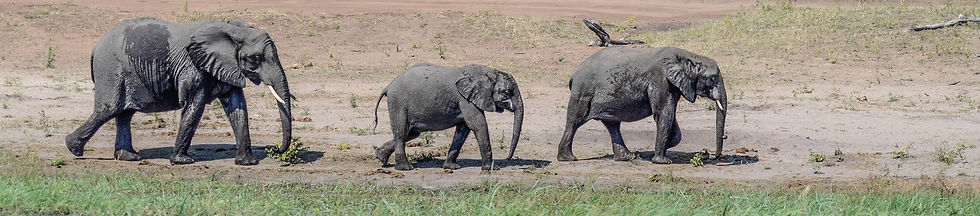
Living alongside elephants, hippos, and predators brings daily risks for rural communities in Rufunsa. Families depend on small fields of maize, rice, and beans, but crop-raiding elephants or hippos can destroy an entire season’s harvest overnight. Encounters with elephants and crocodile attacks on humans and livestock have also tragically claimed lives.
Practical Solutions
The Rufunsa Conservation Project works to prevent and reduce conflict through innovative, community-led interventions:
-
Wildlife Corridors: In 2024, 23 elephant corridors were mapped and marked to keep wildlife pathways clear of farms and settlements.
-
Water Sources: Boreholes and artificial waterholes are created in upland areas to draw elephants away from villages and riverside farms.
-
Rapid Response Support: Rangers and the Community Outreach team assist when wildlife enters villages, keeping both people and animals safe.
Community Awareness
Alongside physical interventions, GRI’s Community Outreach Ranger, Chrispine Tembo, leads awareness campaigns:
-
Training communities in safe deterrent methods.
-
Sharing information on wildlife behaviour.
-
Providing reassurance and welfare support after incidents.
Lasting Coexistence
Thanks to these efforts, reports of elephant killings have decreased and tolerance for wildlife is improving. By protecting people, livelihoods, and elephants, we are working toward a future where communities and wildlife can live side-by-side in safety.
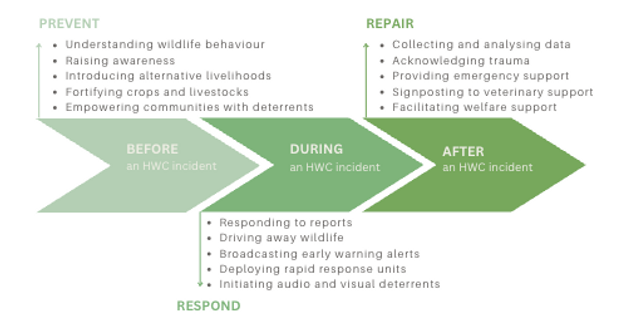
GRI's Human Wildlife Conflict Approach