


You will be involved in
Biodiversity surveys within both Lusaka National Park and Kafue National Park to understand species presence and abundance
Learning and practicing field research skills, including:
-
Transect surveys
-
Vegetation surveys
-
Wildlife identification through spoor and scat
Elephant and primate behavioural observation studies
Gaining insight into elephant and primate behaviour and early-stage rehabilitation, as well as the later rehabilitation and release process
Supporting daily camp operations, including:
-
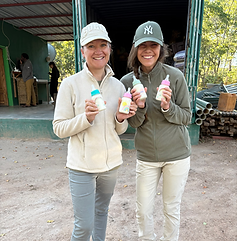
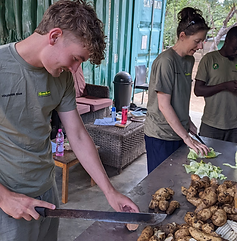
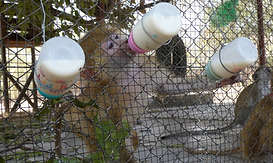
Preparing food for elephants and primates
-
Assisting with stable and camp maintenance
Data collection, photo documentation, and data analysis
Supporting staff capacity building (e.g. sharing skills or teaching sessions)


Visit GRI’s Nature Protection HQ
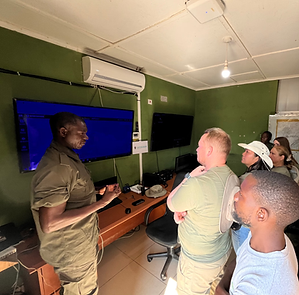
Meet the rangers and learn about anti-poaching operations
Get involved in Community Outreach projects, such as:
-
Supporting local schools and activities at the Basanga Youth Center
-
Working with women’s groups
-
Supporting Human Wildlife Mitigation activities (such as the 'eye-spot’ initiative to protect livestock from predators)
You can also:
Please note: Community Outreach activities depend on current needs and are not guaranteed.

Learn about our facilities
Lusaka National Park
For part of your experience, you will be based in Lusaka National Park where our volunteer camp is situated close to the elephant and primate nurseries. A short walk away is the Wildlife Discovery Centre (WDC), where members of the public can learn more about our conservation work, visit the elephant viewing hide, and watch the calves during their lunchtime bottle feed.


.png)
.png)
.jpg)


.png)

Lusaka Elephant Nursery
All our volunteers start their experience at the Lusaka Elephant Nursery based in Lusaka National Park. It is about an hour's drive from Lusaka Airport.
All newly rescued elephant orphans aged three years or under are brought to this facility, which is specially equipped to nurture and to restore health to these tiny orphans. Once they are physically, mentally and emotionally fit, these elephants are taken to the Kafue Release Facility to join the older orphans, where they begin the second step of their rehabilitation process into the wild.


Lusaka Primate Nursery
In May 2023, the Zambia Primate Project (ZPP) became part of Game Rangers International’s Wildlife Rescue programme. Dedicated to the rescue and care of primates affected by human activity, the project follows a compassionate Rescue, Rehabilitate, Release model, with the ultimate goal of returning every possible animal back to the wild where it belongs.


Kafue National Park
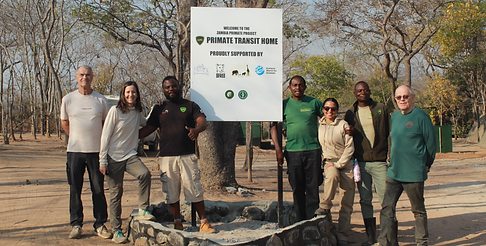
After their early care in Lusaka, the elephant orphans are moved to the Kafue Release Facility, where they begin the next stage of their journey back to the wild. This is a more remote and immersive experience, based at a bush camp along the Nkala River in South Kafue National Park. On your way there you will have the chance to visit the Primate Transit Home.
.png)
.png)
.png)
.png)
.png)
.png)
.png)



%20(1)_JPG.jpg)

.png)
Based in Kafue National Park
Kafue National Park is renowned for its considerable biodiversity, with South Kafue being home to over 1,000 wild elephants, making this location a highly suitable site for a release facility. In the latter part of 2007, the Elephant Orphanage Project was constructed and established with support from the David Shepherd Wildlife Foundation.


Kafue was designated a National Park in 1950 and was, at that time, the largest National Park in the world (covering an area of 25,000km2). Including its surrounding Game Management Areas, this Protected Area is almost the size of Ireland! Now the fifth largest National Park, Kafue is renowned for its incredible array of species and wildlife. Considering the vastness of this rich ecosystem, there are very few commercial operators in the South, which affords the EOP with the exclusivity of this wildlife haven.
.png)
.jpg)
Kafue Release Facility
When the orphan elephants reach their natural milk weaning age, they are translocated to the Kafue Release Facility. Situated along the Nkala River, the camp is surrounded by wilderness and plays an important role in conservation, research, and wildlife monitoring.
At KRF, volunteers support the daily running of the project through a range of activities including elephant care support, biodiversity monitoring, habitat surveys, and community outreach initiatives. With its remote setting and close connection to the surrounding ecosystem, KRF offers a unique opportunity to experience conservation work in one of Africa’s largest national parks.


.png)
.png)
.png)

Itinerary
*Please note that the itinerary is intended to give you a general idea of what to expect during your placement and is subject to change depending on logistics and circumstances on the ground.
Arrival in Lusaka
Please arrive at Kenneth Kaunda International Airport between 06:00 and 18:00 on the first day of your project. You will be met on arrival and transferred to the Elephant Nursery in Lusaka, where your placement is based. Once at camp, you’ll settle into your tent, meet your fellow volunteers and the team, and receive a full orientation. This will cover the project’s aims, your role, and all essential camp routines and safety information.
A typical day of volunteering
Your day typically begins around 07:00 where you’ll start with your volunteer tasks. Tasks vary depending on the needs of the project.
Around midday, you’ll return to camp for lunch and a chance to rest during the hottest part of the day. Activities resume in the afternoon and continue until approximately 18:00. Throughout, you’ll be supported by a dedicated supervisor and driver.
Evenings are spent back at camp with a shared dinner and time to relax with the team.
Transfer to KRF
After your time at the Elephant Nursery, you will travel approximately seven hours to the project’s main base camp at Kafue River Lodge (KRF), located on the Nkala River in the heart of Kafue National Park.
This trip includes a two-night stop at the Primate Release Centre along the way. After this visit, you will continue your journey to KRF.
Arrival in KRF
On arrival at KRF, you will be shown to your tented accommodation and introduced to your fellow volunteers and staff. You will also receive a full safety briefing and an overview of camp life and procedures. You’ll be supported throughout by a dedicated supervisor and driver.
A typical day of volunteering
A typical day starts early, around 07:00, and finishes at approximately 18:00. Mornings usually begin with hands-on tasks that vary depending on the needs of the project. These may include preparing food for the elephants, assisting with stable care, or joining morning walks alongside the keepers and elephants.
After a break for a light lunch at camp, activities continue in the afternoon. These may include biodiversity surveys, transect drives, or assisting with data collection and analysis. Depending on project priorities, you may also take part in community outreach activities, join local radio programmes, or visit Musa Camp to learn more about conservation and anti-poaching work.
Tasks are varied and flexible, and are shaped by daily requirements. Your volunteer supervisor will keep you updated on the schedule and activities.
Transfer to Lusaka & departure
On your final day, you will travel back to the Elephant Nursery in Lusaka, where you will spend your last night. The following day, you will be transferred to Kenneth Kaunda International Airport for your onward journey. Please ensure your return flight departs no earlier than 10:00. If you are continuing your travels or staying on in Lusaka, we can also arrange a drop-off at your accommodation in Lusaka.
.png)
21 nights:
£2,385pp
28 nights:
£3,075pp
Add extra days:
£100pp per day (space permitting)
N.B. Some trips may be bespoke and be formulated slightly differently therefore may be costed differently too.
Programme Fees
Included in the fees:
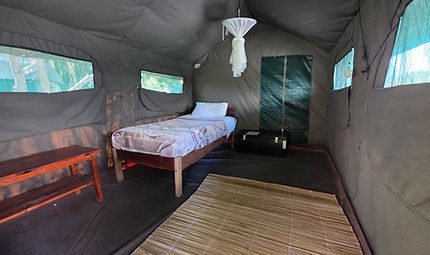
Accommodation – Comfortable safari-style tents within the park, with access to communal hot showers and shared facilities.
All meals – We provide the ingredients for you and your peers to get creative with camp cooking (please advise dietary requirements)
In-country transfers – Pick-up and drop-off at the International Airport in Lusaka, plus all travel to/from your chosen site.
Training & supervision – Orientation and ongoing guidance from your allocated Volunteer Supervisor and GRI conservation staff.
Direct experience – Opportunities to assist with animal husbandry, biodiversity monitoring, and field-based conservation.
Park access – Live and work inside Zambia’s National Parks, with opportunities to observe wildlife daily.
Cultural immersion – Learn about Zambia’s heritage, join community activities where available, and connect with local staff.
24/7 support – On-site team support for safety, logistics, and wellbeing throughout your stay.
GRI Volunteer T-shirt – A special keepsake and practical uniform for your time in the field.
Exclusive group size – Maximum of four volunteers per placement where possible, ensuring a personalised experience and close connection with the GRI team.
Please note that programme fees do not include:
-
International flights to Lusaka
-
Entry visa fees (currently none apply)
-
Travel/medical insurance
-
Personal spending (souvenirs, leisure trips, extra snacks, etc.)
-
Meals at restaurants in Lusaka or Kafue. Drinks and bar purchases are also at your own expense.
-
Airport transfers outside of the agreed GRI placement (we are happy to make recommendations for onward travel and logistics).
-
Health insurance (however we will ensure your medical coverage is registered with a local emergency provider)
-
Bottled water (please note that borehole water at camp is clean and safe to drink).
Zambian Kwacha (local currency) is not obtainable outside of the country. At the start of your trip, you will be taken to a Bureau de Change to exchange currency or use of an ATM. We strongly recommend bringing sufficient cash for the full duration of your stay. There are no banking facilities in wilderness areas. Please note that exchange rates vary depending on note denomination, with larger notes (e.g. $100) typically receiving a better rate.
Please note:
First deposit 50% (due within 7 days of receiving your placement offer)
Final payment: 50% (due at the latest two months prior to your placement start date)
Cancellation Policy applies
